

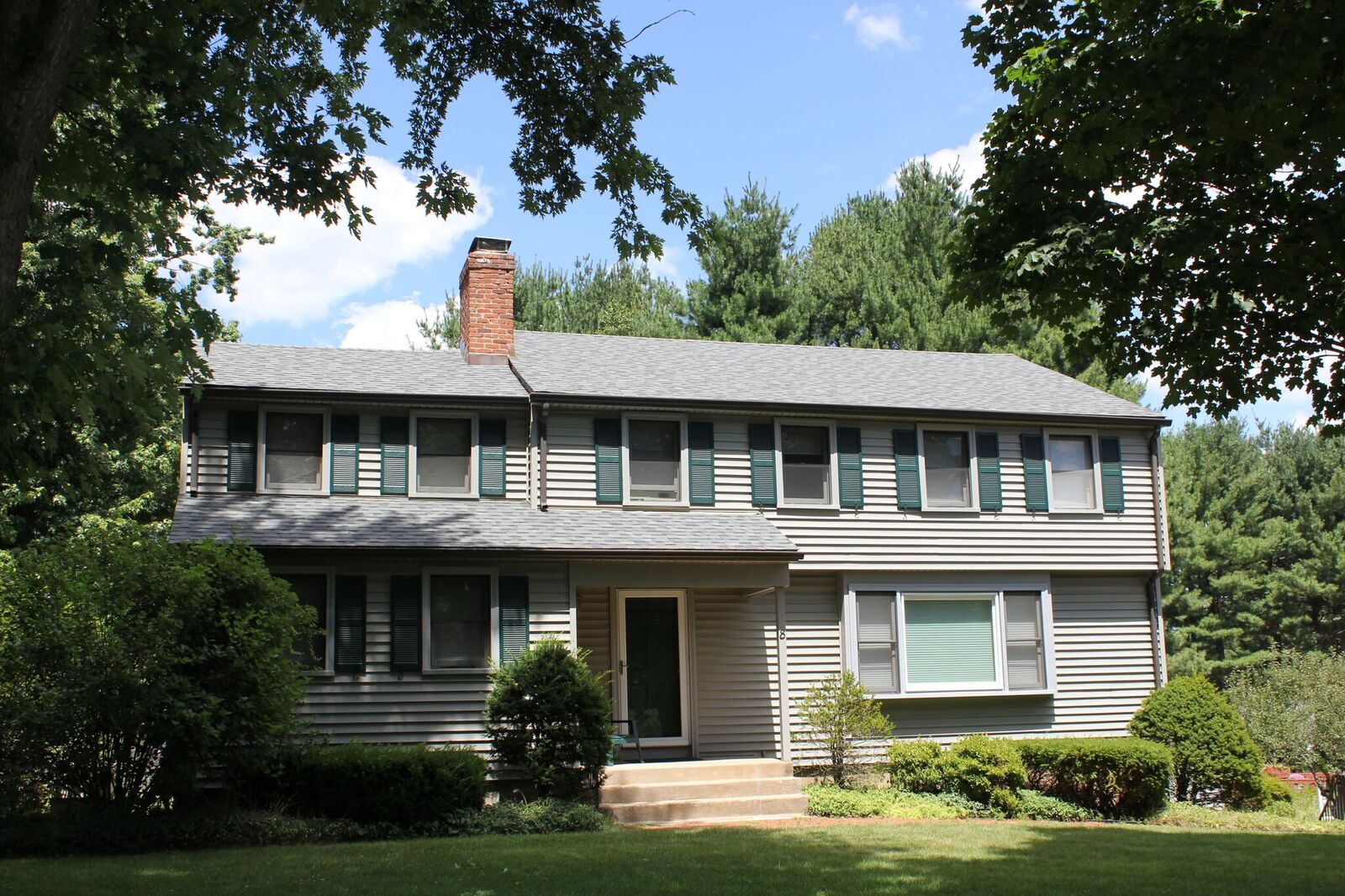
Roof ventilation is one of those things most homeowners don’t think about until something feels off. A room won’t cool down. Ice keeps forming at the roof edge. A roof that isn’t that old already looks worn. From the outside, everything seems fine, which makes it even more confusing.
The problem is ventilation issues rarely show up all at once. They build quietly, season after season, and often get blamed on something else. This article explains why proper roof ventilation matters year-round, how it affects your roof in ways people don’t expect, and what homeowners should pay attention to. It’s the same conversation Rhino-Back Roofing has during inspections when the roof damage doesn’t have an obvious cause.
What Roof Ventilation Is Really Doing Up There
Many believe attic airflow only removes warmth. True, yet incomplete. Movement within that space shifts thermal levels, dampness, humidity – simultaneously. These factors shape roof endurance, house stability, without notice. Each element connects differently than expected. Below are the main ways roof ventilation quietly influences how a home and roof hold up.
It Keeps Heat From Sitting Where It Shouldn’t
Warm air moves upward, staying stuck in the attic if ventilation is poor. From below, that buildup slowly roasts the roof structure. Shingles take more stress than they were meant to handle. A roofing contractor often sees this when a roof looks older than it should.
It Gives Moisture Somewhere to Go
Humidity moves into attic spaces without pause, year-round. Activities like bathing or preparing meals release vapor indoors. When airflow is lacking, dampness accumulates within structural materials. Without ventilation, that moisture settles into insulation and wood. It doesn’t dry out on its own.
It Helps the Roof Wear at a Normal Pace
Gradually, roofs undergo natural aging. When attics become too extreme, this process shifts unpredictably. Excess heat, or even high moisture, pushes deterioration faster. With balanced airflow, indoor stability improves noticeably.
Why Roof Ventilation Becomes a Winter Problem Fast
During winter, signs of poor ventilation tend to appear. The roof responds early to shifts caused by cold outdoor temperatures meeting warmer indoor ones. Rather than simply faulting the climate, attention should shift toward how air moves through structures. What many overlook is that circulation matters more than assumed.
Here’s how winter exposes ventilation issues quickly.
Ice Dams Start Showing Up
Ice dams don’t form just because it snowed. They form when warm attic air melts snow unevenly. That water refreezes at the edge and backs up under shingles. Roofing contractors like Rhino-Back Roofing see ventilation problems behind repeated ice dam calls.
Moisture Gets Trapped and Stays There
Warm air carries moisture upward into the attic. During colder months, dampness meets cool areas, forming droplets. Without ventilation, it sits there. Over time, wood darkens, insulation clumps, and problems start quietly.
Heating Systems Work Harder Than They Should
Poor ventilation lets heat build up in the wrong places. As warmth leaks irregularly, heating systems restart more frequently. Rooms feel inconsistent. Energy bills creep up without a clear explanation.
Why Summer Isn’t Any Easier on a Poorly Ventilated Roof
Summer brings different problems, but ventilation still matters just as much. Attics can reach extreme temperatures on hot days. That heat doesn’t stay isolated above the ceiling. Here’s how summer conditions push ventilation issues to the surface.
Shingles Take Damage From Below
Shingles don’t just get hit by the sun. Excess attic heat cooks them from underneath. Over time, they dry out and crack sooner. This is a common reason roofs fail earlier than expected. It surprises a lot of homeowners when the damage isn’t coming from above at all.
Cooling Costs Start Climbing
Hot attic air bleeds into living spaces. Air conditioning systems then work overtime trying to compensate. Homeowners often chase thermostat settings without realizing the attic is the issue. Ventilation helps relieve that heat load.
Comfort Inside the Home Feels Off
Poor ventilation creates uneven temperatures. Upper floors feel warmer. Some rooms never seem comfortable. That imbalance usually traces back to airflow problems overhead. Most homeowners notice this long before they ever think to look at the roof.
Signs Roof Ventilation May Be Causing Trouble
Ventilation problems rarely announce themselves clearly. They show up through patterns that don’t always seem connected. Roofing contractors notice these signs often during inspections. Here are a few red flags that tend to point back to airflow issues.
Ice Dams or Winter Leaks Keep Coming Back
Fixing shingles alone doesn’t always stop repeat ice dams. When leaks show up during snowmelt, ventilation is often part of the story. Addressing airflow can prevent the same issue from returning next winter.
Energy Bills Don’t Match the Season
Heating and cooling costs shouldn’t spike without reason. When systems run harder than expected, attic conditions are usually involved. Poor ventilation traps heat in summer and winter alike.
The Roof Looks Older Than It Should
Shingles curling, cracking, or losing granules early raise questions. Premature aging often points to heat and moisture stress from below. Rhino-Back Roofing sees this pattern regularly during roof evaluations.
How a Roofing Contractor Looks at Ventilation
Ventilation isn’t something you fix with a single vent. It’s a system that needs balance. A roofing contractor looks at how air moves from start to finish, not just what’s visible from outside. Here’s what that evaluation usually involves.
Intake and Exhaust Have to Work Together
Air needs a way in and a way out. Too much exhaust without intake causes problems. Too much intake without exhaust does the same. Balance keeps airflow steady instead of chaotic. This is one of those things we see missed all the time, even on newer homes.
Insulation and Airflow Interact
Insulation can help or hurt ventilation. Poor placement blocks airflow paths. Moist insulation holds water longer. Contractors check how insulation and ventilation affect each other. On more than a few inspections, insulation ends up being the quiet part of the problem.
Past Damage Leaves Clues Behind
Marks on surfaces often reveal hidden histories. When discoloration appears, poor air movement may be the cause. Addressing ventilation helps prevent those issues from repeating. Most of the time, the roof has been trying to signal something for years before anyone notices.
How Rhino-Back Roofing Helps Homeowners Get It Right
Ventilation problems are rarely solved with guesswork. That’s why inspections matter. Rhino-Back Roofing looks at ventilation as part of the entire roofing system, not a separate add-on.
Our approach focuses on explaining what’s actually happening above the ceiling. Homeowners get clear answers without pressure. That focus on clarity reflects our mission of improving lives through great work, not quick fixes.
Wondering If Roof Ventilation Is Affecting Your Home?
If your roof keeps dealing with ice dams, uneven temperatures, or early wear, ventilation may be part of the issue. Rhino-Back Roofing helps homeowners understand how airflow affects their roof in every season. A professional inspection can reveal what’s been happening quietly for years. Schedule a free roof inspection and get answers you can trust.